Freeport Drivers Trust Their Brakes to Freeport Auto Center
A squealing sound when you brake, a soft pedal that sinks too far, or a pull to one side when you slow down are all signals your vehicle shouldn't be ignoring. At Freeport Auto Center, we provide complete brake repair and maintenance services for drivers throughout Freeport, IL, addressing everything from routine pad replacement to full rotor and caliper service. Your brakes are one of the few systems in your vehicle where waiting on a repair can turn a minor issue into a genuinely dangerous one, and our technicians treat every inspection with that seriousness.
Brake systems wear gradually, which means many drivers don't notice a problem until it's already affecting stopping distance. Our team inspects pads, rotors, calipers, brake lines, and fluid condition as part of every service visit, so small issues get caught before they become expensive repairs or safety concerns on Freeport's roads.
Schedule a brake inspection at Freeport Auto Center and drive with confidence again.
What's Included in Our Brake Service
Every brake service at Freeport Auto Center starts with a full inspection so we know exactly what your vehicle needs before any work begins.
Brake Pad Replacement
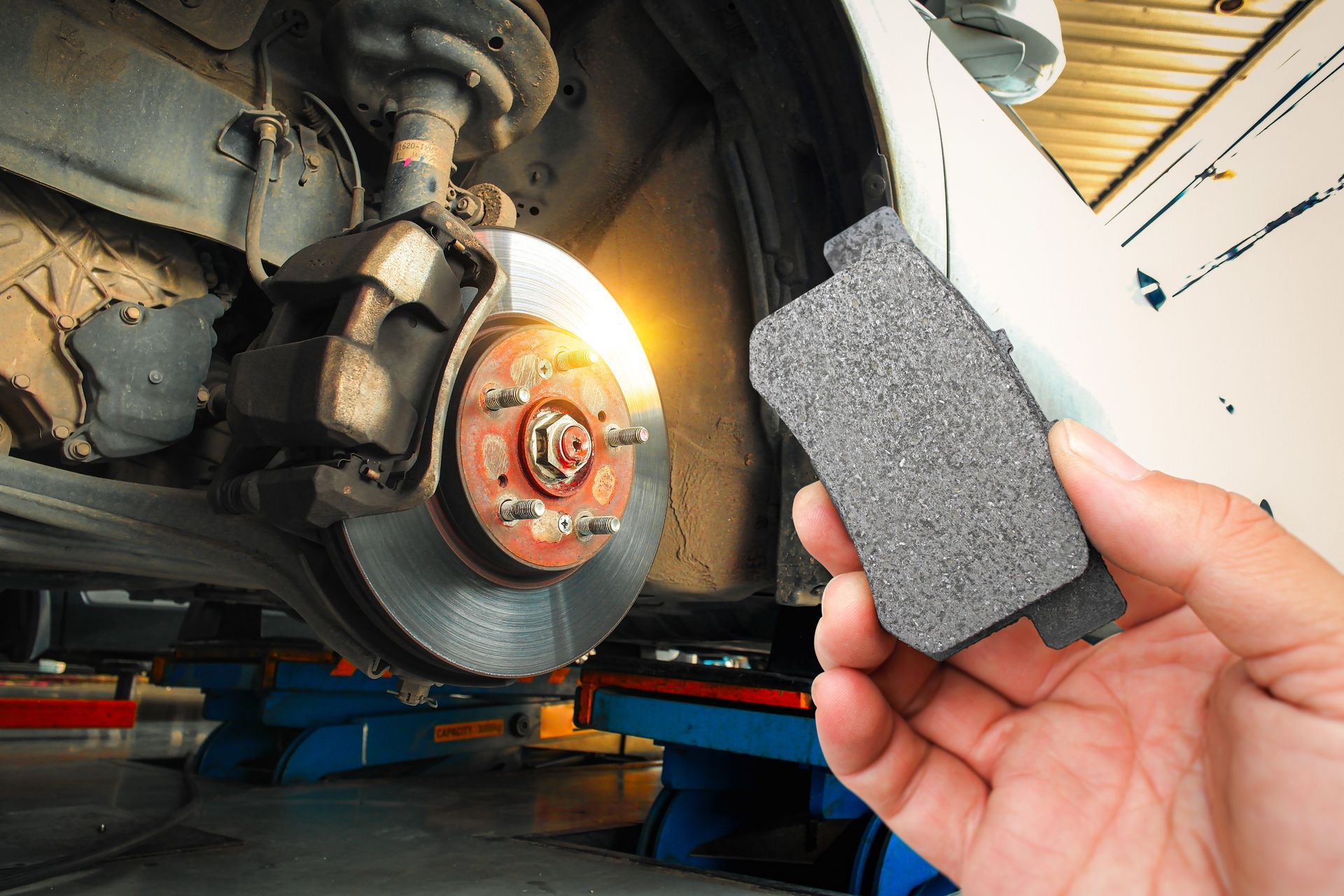
We replace worn pads with quality components matched to your vehicle's make and model, ensuring proper fit and consistent stopping power.
Rotor Resurfacing and Replacement
Rotors that are warped or worn beyond safe thickness are resurfaced when possible or replaced when necessary to restore smooth, even braking.
Caliper Inspection and Repair
Sticking or seized calipers can cause uneven pad wear and reduced braking performance. We inspect caliper function and repair or replace them as needed.
Brake Fluid Flush and Fill
Brake fluid absorbs moisture over time, which can reduce braking effectiveness and cause internal corrosion. We check fluid condition and flush the system when contamination is present.
Signs Your Brakes Need Attention
Recognizing brake problems early can mean the difference between a simple pad replacement and a full rotor and caliper repair. Freeport Auto Center encourages drivers to watch for these common warning signs.
Squealing or Grinding Noises
A high-pitched squeal usually means your brake pads have worn down to their wear indicator. A grinding sound is more serious and often means the pads are completely worn through, causing metal-on-metal contact with the rotor.
Soft or Spongy Brake Pedal
If your brake pedal feels like it sinks farther than usual before engaging, this can point to air in the brake lines, a fluid leak, or a failing master cylinder.
Vehicle Pulling to One Side
A car that pulls left or right when braking often has uneven pad wear, a stuck caliper, or a brake line issue affecting one wheel more than the others.
Vibration or Pulsing When Braking
A pulsing sensation through the pedal or steering wheel is a common sign of warped rotors, which can develop from heat buildup during frequent or heavy braking.
Why Regular Brake Maintenance Matters
Freeport's mix of highway commuting toward Rockford and stop-and-go driving around town puts consistent stress on brake components. Frequent stopping generates heat, which accelerates pad and rotor wear over time. Drivers who tow, haul, or frequently drive in hilly areas often see faster brake wear and should have their system checked more often than the standard interval. Most manufacturers recommend inspecting brake pads every 10,000 to 12,000 miles, though actual wear depends heavily on driving habits and conditions.
Bring your vehicle to Freeport Auto Center for a full brake inspection before your next long drive.
Our Brake Repair Process
When you arrive at Freeport Auto Center, our technicians begin with a hands-on inspection of your entire brake system, measuring pad thickness, checking rotor condition, and testing fluid quality. We explain exactly what we find and what we recommend before any repair work starts, so you're never surprised by unnecessary charges. Once you approve the service, we complete repairs using properly torqued components and test your brakes thoroughly before returning your vehicle to you.
Call Freeport Auto Center today to get your brakes checked and repaired properly.
CALL US TODAY!
Frequently Asked Questions
How often should brake pads be replaced?
Most brake pads last between 30,000 and 70,000 miles, depending on driving habits and conditions. Stop-and-go driving wears pads faster than highway driving.
What does grinding brakes mean?
Grinding usually means the brake pads have worn down completely, causing metal-on-metal contact between the caliper and rotor. This requires immediate attention to prevent rotor damage.
How long do rotors typically last?
Rotors generally last between 50,000 and 70,000 miles, though this varies based on driving style and whether pads were replaced promptly when worn.
Is it safe to drive with squeaky brakes?
Squeaking is usually a warning sign rather than an immediate danger, but it should be addressed quickly since continued driving can lead to pad failure and rotor damage.
How much does brake pad replacement cost?
Cost depends on your vehicle's make and model, along with whether rotors also need replacement. Contact Freeport Auto Center for an estimate specific to your vehicle.
Can I just replace brake pads without replacing rotors?
In many cases, yes, if the rotors are still within safe thickness and not warped. Our technicians measure rotor condition to determine whether resurfacing or replacement is necessary.
What causes a soft brake pedal?
A soft or spongy pedal is often caused by air in the brake lines, low brake fluid, or a failing master cylinder. This should be inspected promptly since it affects stopping power.
Why does my car vibrate when I brake?
Vibration during braking is commonly caused by warped rotors, which develop from heat buildup during frequent or heavy braking over time.
How often should brake fluid be flushed?
Most manufacturers recommend a brake fluid flush every two to three years, though this can vary depending on driving conditions and moisture exposure.
What's the difference between brake pads and brake shoes?
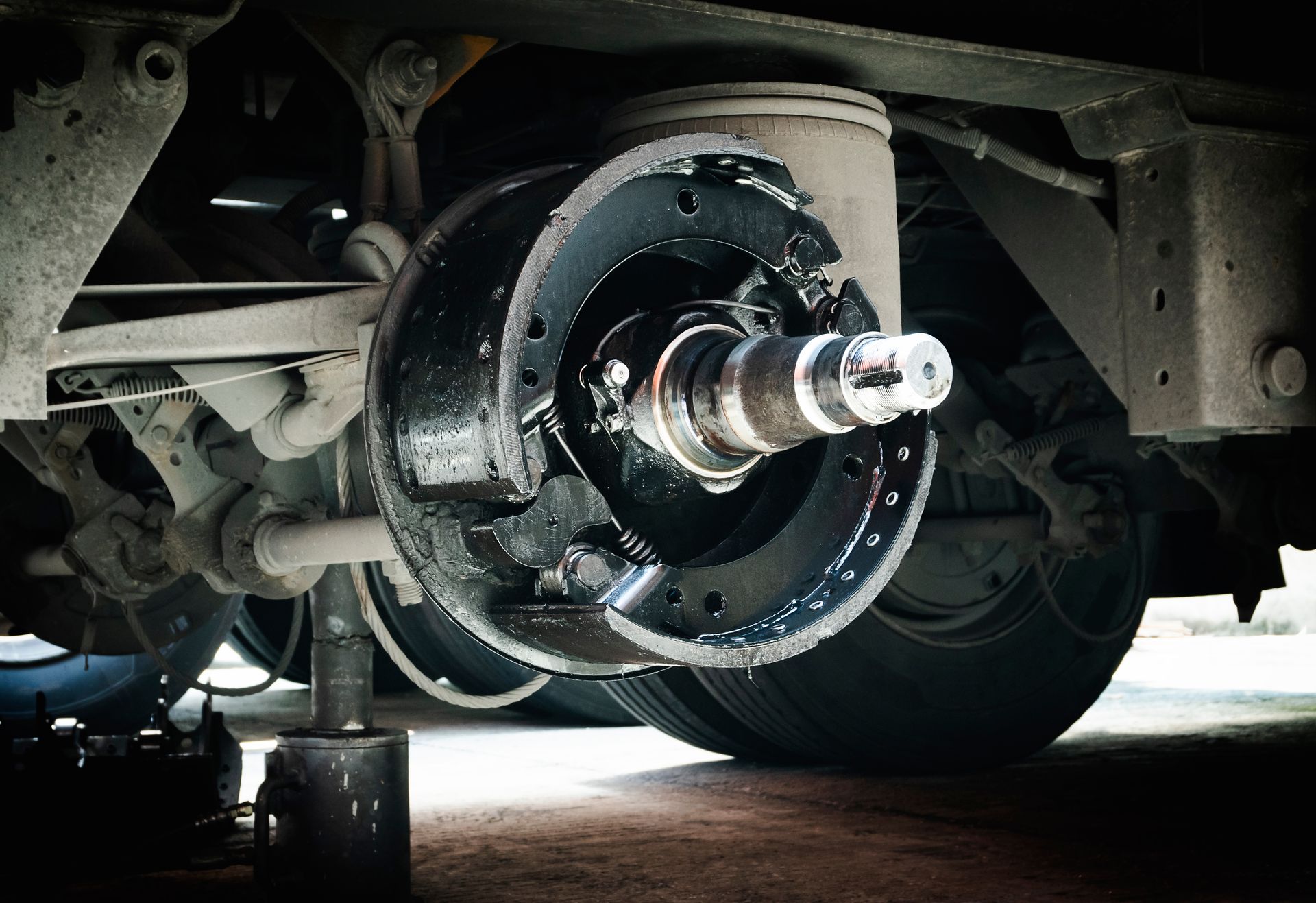
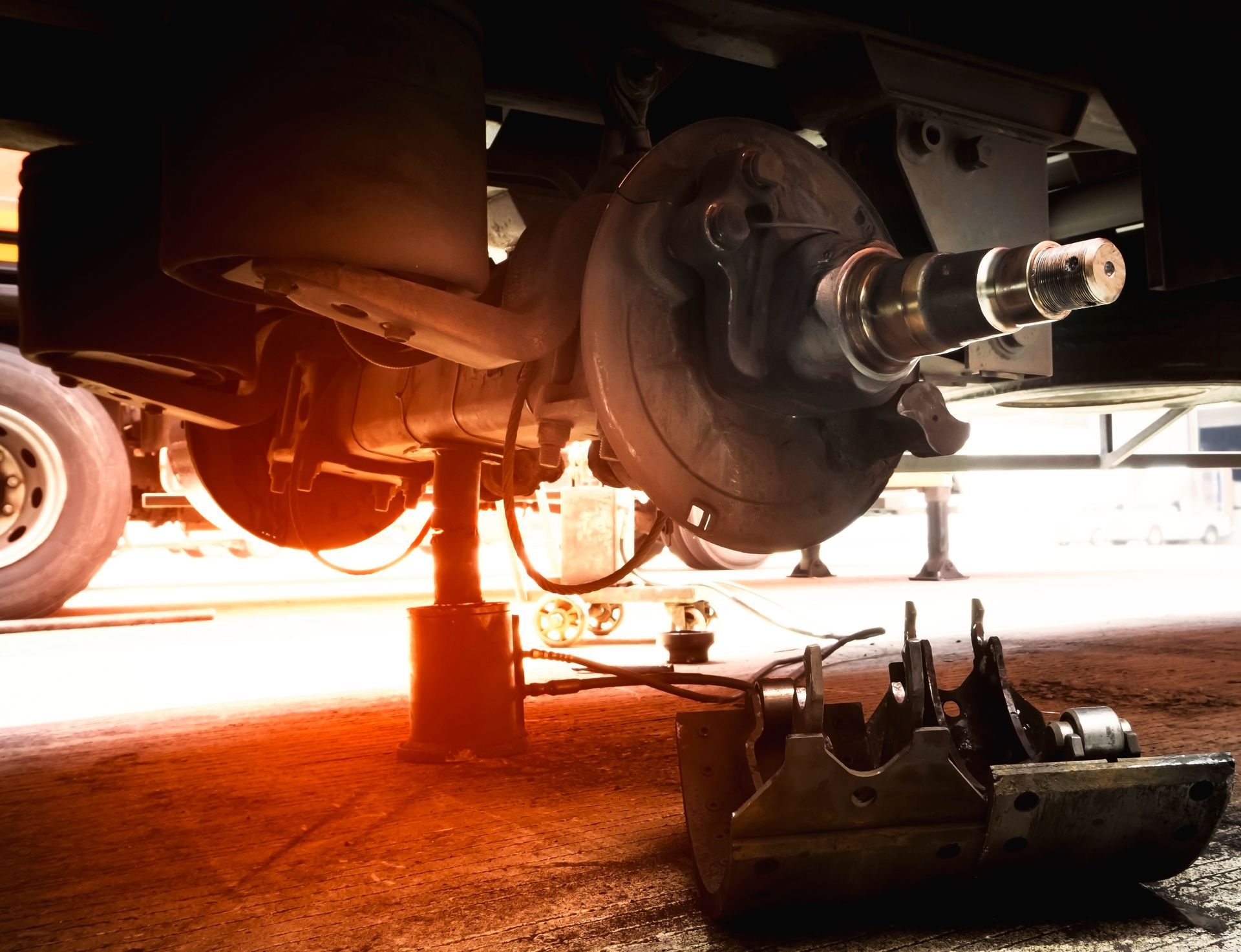
Brake pads are used with disc brake systems, while brake shoes are used with drum brake systems, which are more common on rear brakes in older or heavier vehicles.
Can worn brakes affect fuel efficiency?
Yes. Sticking calipers or dragging brakes can create resistance that forces the engine to work harder, slightly reducing fuel efficiency over time.