Freeport Auto Center Keeps Your Transmission Shifting Smoothly
A transmission that slips, hesitates, or refuses to shift properly can turn a routine drive into a stressful situation fast. At Freeport Auto Center, we diagnose and repair transmission problems for drivers throughout Freeport, IL, handling everything from fluid leaks and rough shifting to complete transmission rebuilds. Your transmission is one of the most complex and expensive systems in your vehicle, which is why getting an accurate diagnosis before any repair work begins matters so much.
Transmission problems can be deceptive since many issues start small and gradually worsen over time. A slight hesitation when shifting or a minor fluid leak might seem manageable at first, but left unaddressed, these problems often lead to more extensive and costly damage. Our technicians use proper diagnostic equipment to identify exactly what's happening inside your transmission before recommending a repair path, so you're never paying for guesswork.
Schedule a transmission inspection at Freeport Auto Center before a small issue becomes a major repair.
What Our Transmission Service Includes
Every transmission service at Freeport Auto Center begins with a detailed inspection to determine the true cause of your vehicle's symptoms.
Transmission Fluid Service
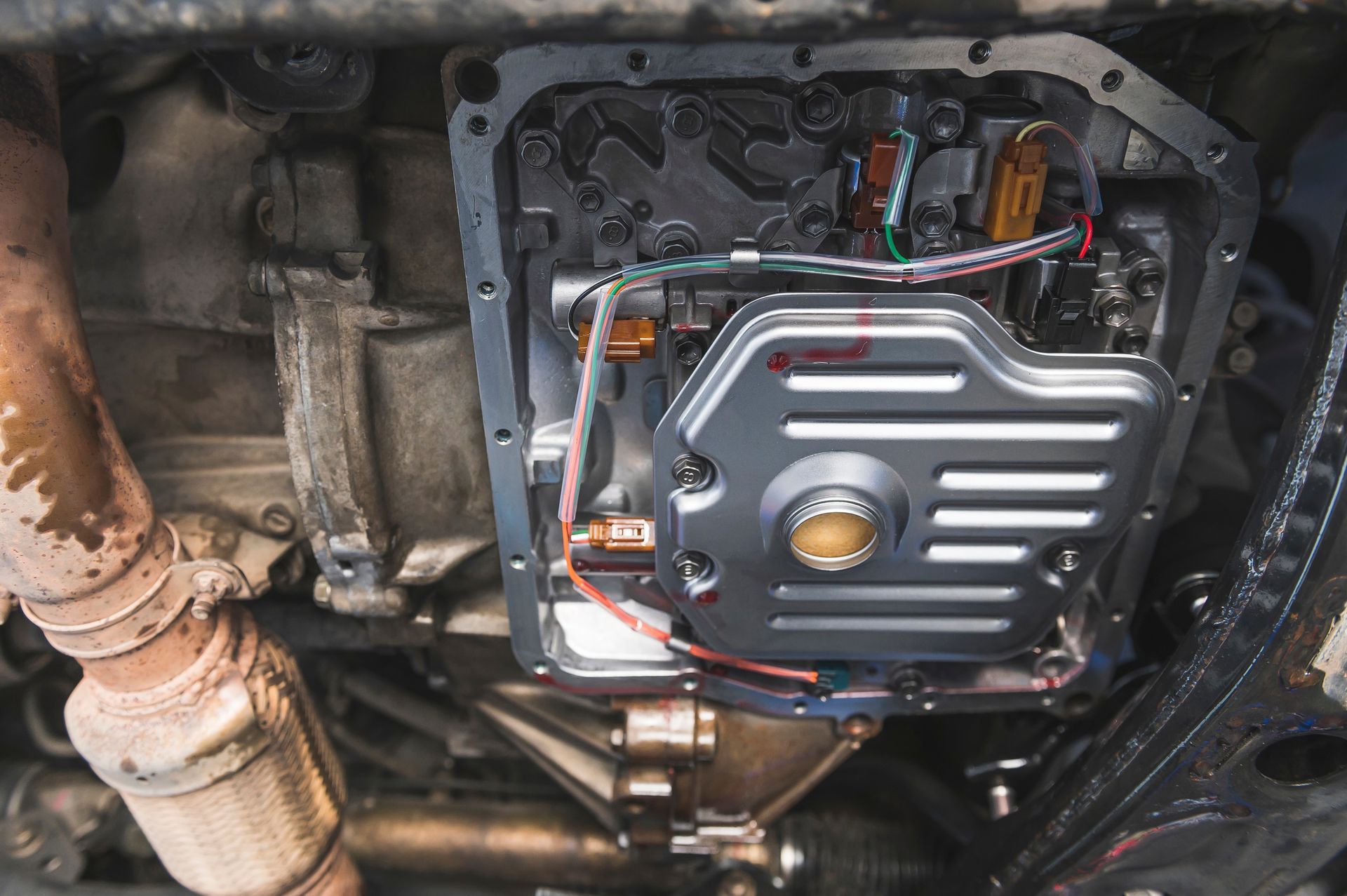
We check fluid condition, level, and color, performing a flush and refill when fluid has degraded or become contaminated with debris.
Diagnostic Scanning
Using specialized diagnostic tools, we read transmission control module codes to identify electronic or sensor-related issues affecting shift quality.
Seal and Gasket Replacement
Leaking seals or gaskets are repaired or replaced to prevent further fluid loss and protect internal components from damage caused by low fluid levels.
Internal Component Repair and Rebuilds
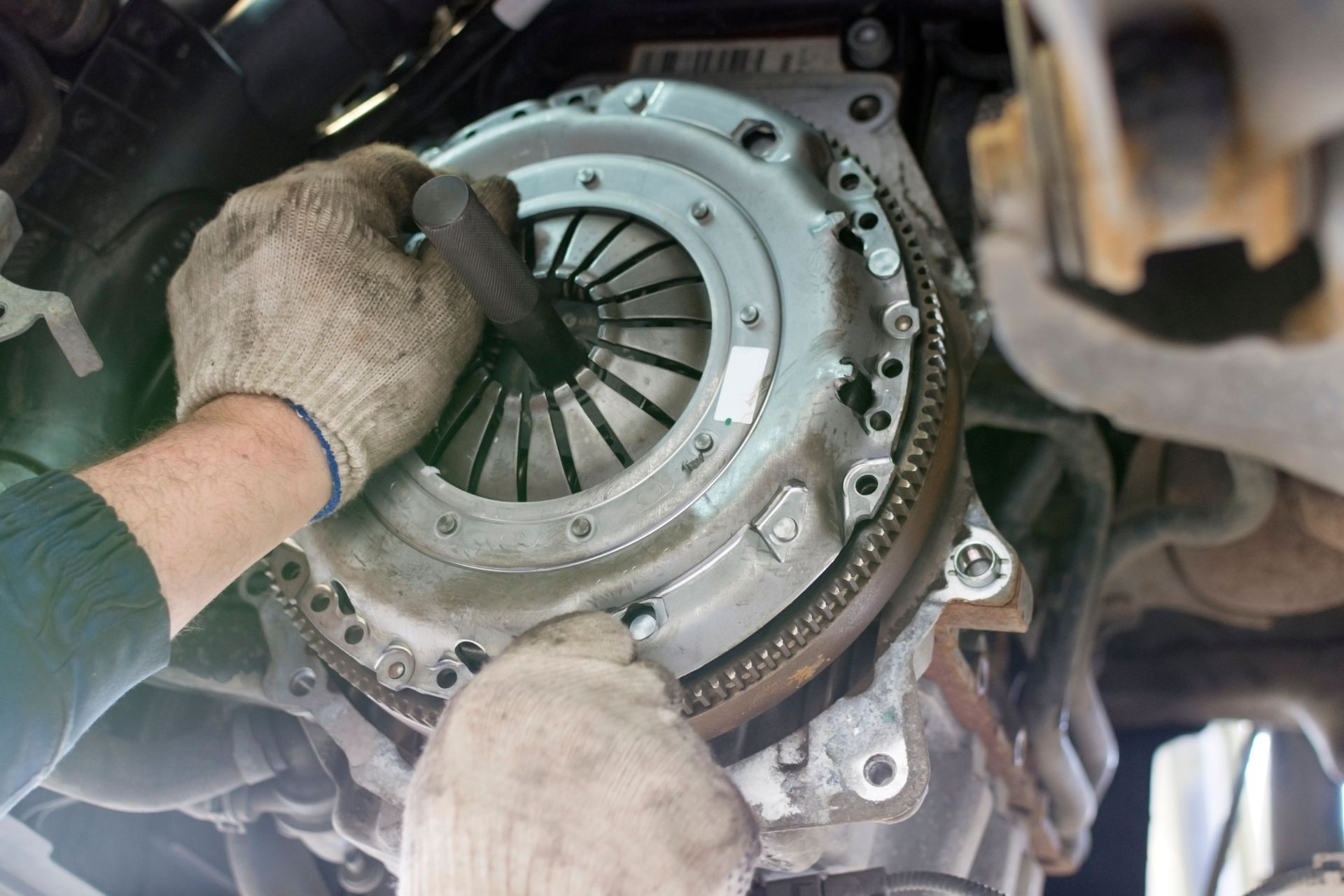
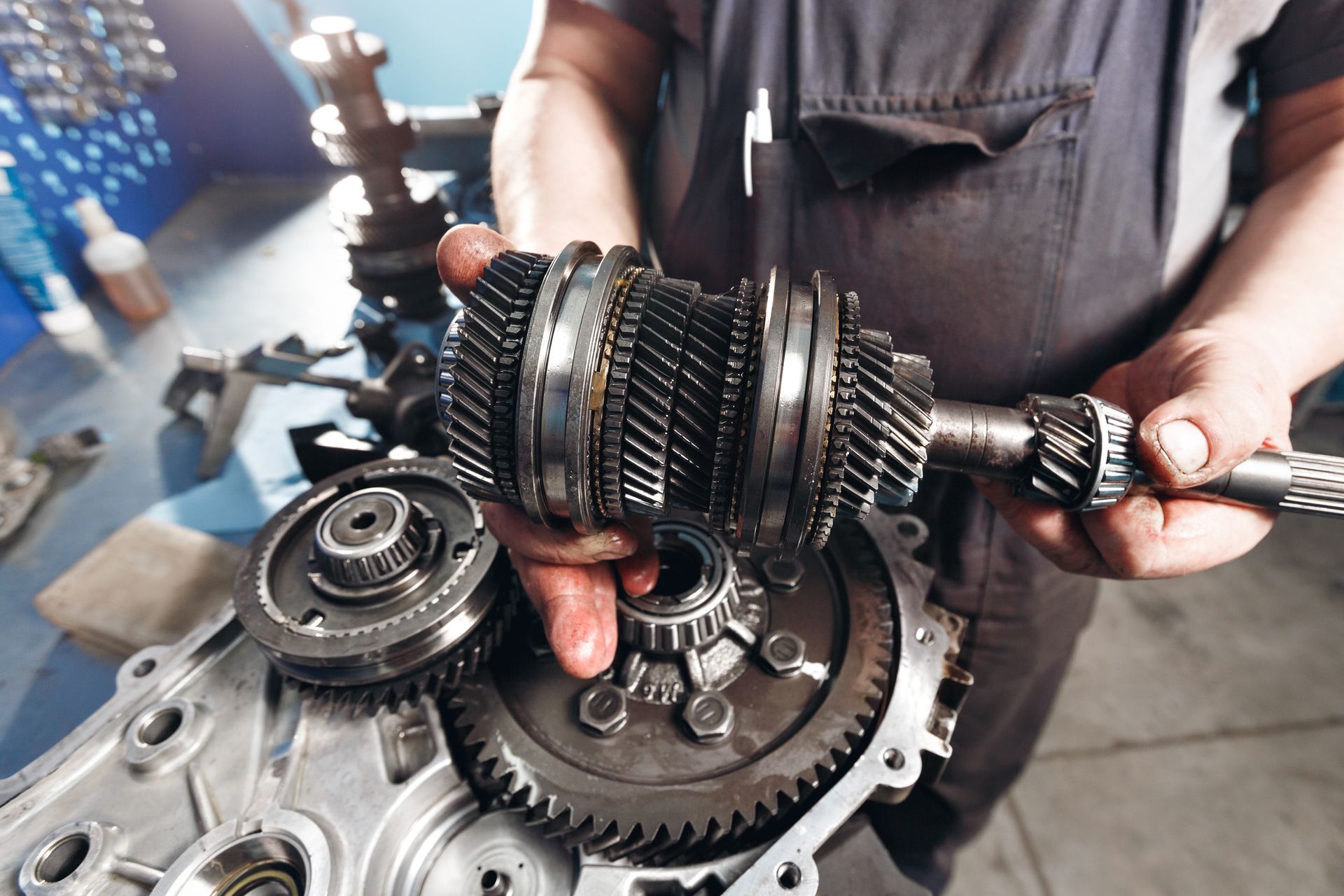
When internal wear is present, we repair or rebuild the transmission, replacing worn clutches, bands, or other components to restore proper function.
Signs Your Transmission Needs Attention
Catching transmission problems early can often mean the difference between a manageable repair and a complete rebuild or replacement.
Slipping Between Gears
A transmission that slips out of gear or hesitates before engaging often indicates worn internal components or low, degraded transmission fluid.
Delayed or Rough Shifting
Shifts that feel delayed, jerky, or accompanied by a clunking sound frequently point to issues with transmission fluid pressure or worn internal parts.
Fluid Leaks Beneath the Vehicle
Transmission fluid is typically bright red or reddish-brown. A leak beneath your vehicle should be addressed quickly, since low fluid levels can cause significant internal damage.
Burning Smell From the Transmission
A burning odor often signals that transmission fluid is overheating or breaking down, which reduces its ability to properly lubricate and cool internal components.
Automatic Versus Manual Transmission Repair
Freeport Auto Center services both automatic and manual transmissions, though the specific issues and repairs differ between the two. Automatic transmissions rely heavily on fluid pressure and electronic controls, making fluid condition and sensor function critical to diagnosing problems accurately. Manual transmissions, on the other hand, often develop issues related to clutch wear, worn synchronizers, or linkage problems that cause difficulty shifting between gears. Our technicians have experience with both systems and tailor their diagnostic approach based on your vehicle's specific transmission type.
Bring your vehicle to Freeport Auto Center for a transmission diagnostic tailored to your vehicle.
Why Transmission Maintenance Matters for Freeport Drivers
Freeport's mix of highway driving and stop-and-go city traffic places varying demands on your transmission, and fluid that breaks down from heat and use loses its ability to properly lubricate and cool internal components. Vehicles used for towing or hauling face even greater strain, since these tasks generate additional heat within the transmission. Routine fluid checks and timely repairs when symptoms first appear can significantly extend your transmission's lifespan and help you avoid a full rebuild or replacement.
Call Freeport Auto Center now to get your transmission checked before your next long drive.
CALL US TODAY!
Frequently Asked Questions
What are the first signs of transmission problems?
Early signs often include slipping between gears, delayed engagement when shifting into drive or reverse, and unusual noises like whining or clunking during shifts.
How often should transmission fluid be changed?
Most manufacturers recommend changing transmission fluid every 30,000 to 60,000 miles, though this varies by vehicle and driving conditions.
Can low transmission fluid cause shifting problems?
Yes. Low fluid reduces hydraulic pressure needed for proper shifting, which can cause slipping, delayed engagement, or rough shifts between gears.
How much does transmission repair cost?
Cost varies widely depending on whether the issue requires a simple fluid service or a full rebuild. Contact Freeport Auto Center for an estimate specific to your vehicle's issue.
What causes a transmission to slip?
Slipping is commonly caused by worn clutch plates, low or degraded fluid, or internal wear that prevents the transmission from maintaining proper gear engagement.
Is it normal for a transmission to make noise?
Some transmissions produce mild noise during normal operation, but whining, clunking, or grinding sounds usually indicate a developing problem that should be inspected.
Can I drive with a transmission fluid leak?
Driving with a leak is risky since low fluid levels can cause overheating and internal damage. It's best to have leaks repaired as soon as possible.
What's the difference between a transmission repair and a rebuild?
A repair typically addresses a specific issue like a leak or sensor problem, while a rebuild involves disassembling the transmission and replacing multiple worn internal components.
How long does a transmission rebuild take?
A transmission rebuild typically takes one to two weeks, depending on parts availability and the extent of internal wear discovered during disassembly.
Why does my car jerk when shifting gears?
Jerky shifting is often caused by low or degraded transmission fluid, worn internal components, or an issue within the transmission's electronic control system.
Can transmission problems affect fuel efficiency?
Yes. A transmission that isn't shifting properly can force the engine to work harder than necessary, which can noticeably reduce fuel efficiency over time.